
Your mortgage calculator knows your income. It factors property taxes, insurance, even HOA fees.
But it has no idea what’s buried in your backyard.
That septic system sitting under your Connecticut dream home? It carries costs that most homeowners discover the hard way. After they’ve already signed the papers.
The Numbers Your Lender Never Mentions
You budgeted for the monthly mortgage payment. You researched property taxes in your town. You even called about homeowner’s insurance rates.
But septic systems operate on their own financial timeline.
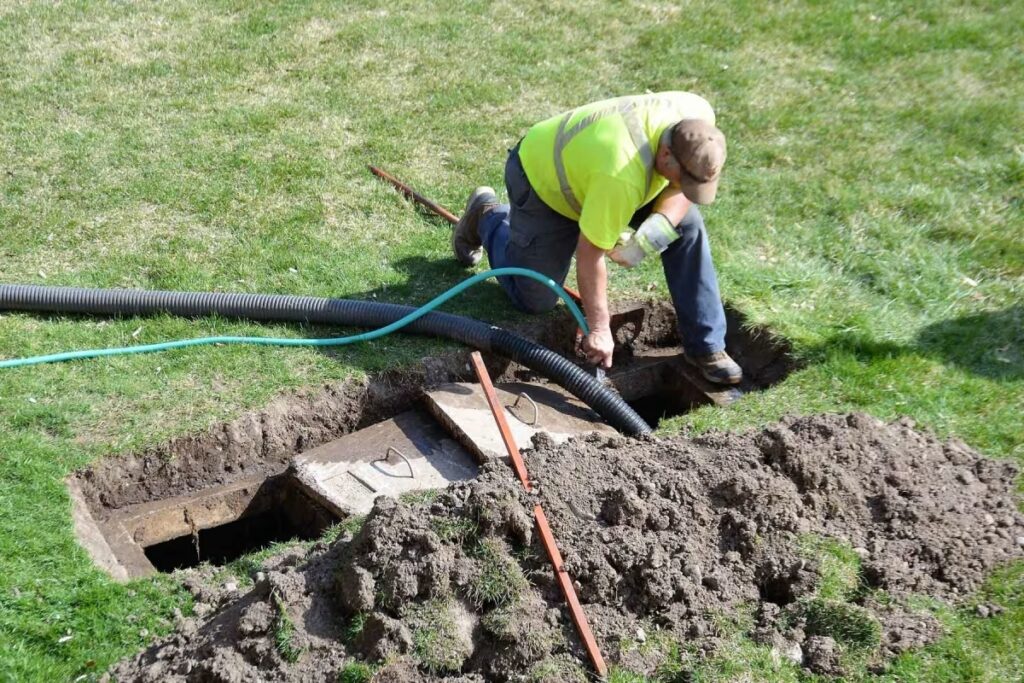
Pumping costs average $550 but can hit $1,600 depending on your tank size and location. That’s every 3-5 years, whether you planned for it or not.
The timing never aligns with your other expenses.
Your septic tank doesn’t care that you just paid property taxes. It doesn’t pause for holiday spending or back-to-school costs. When it needs service, you call or deal with backup problems that make pumping costs look cheap.
When Maintenance Becomes Emergency
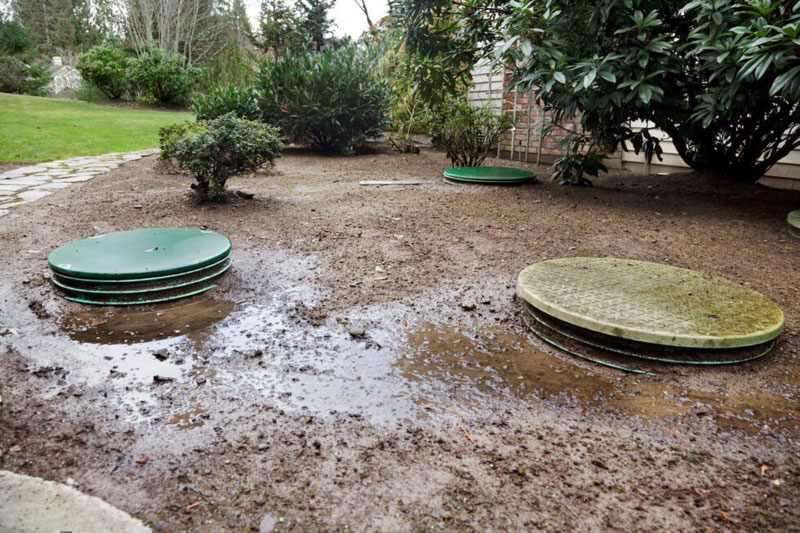
Regular pumping represents the predictable expense. The real budget killer lives in what happens when systems fail.
Repairs can run thousands. Replacement costs hit a different level entirely.
New septic systems cost $8,000 to $20,000 for a two-bedroom house. The range depends on soil conditions, local regulations, and system complexity.
Connecticut’s regulations add layers that other states skip. Environmental requirements, soil testing, permit processes. Each step carries fees that compound the base installation cost.
Your homeowner’s insurance won’t cover septic failure from normal wear. This expense lands entirely on you.
The Connecticut Factor
Connecticut homeowners face a double burden. Property taxes rank fourth highest in the nation, already stretching housing budgets.
Then septic costs hit on top of that baseline.
Rural and suburban Connecticut properties rely heavily on septic systems. Municipal sewer connections don’t exist in many areas, making septic maintenance unavoidable.
The state’s environmental regulations, while necessary, add compliance costs that homeowners in other regions don’t face. Inspection requirements, upgrade mandates for older systems, nitrogen reduction standards for certain areas.
These aren’t optional expenses you can delay.
The Hidden Timeline Problem
Mortgage payments arrive monthly. Property taxes come annually. Septic costs follow their own schedule.
Pumping every 3-5 years. Inspection requirements vary by town. Component repairs happen when they happen, not when your budget expects them.
This timing mismatch creates cash flow problems that mortgage calculators can’t predict. You might handle the monthly housing payment easily, then face a $1,200 septic emergency in year three.
The financial stress comes from the unpredictability, not just the cost.
What 65+ Years in Connecticut Septic Service Teaches
At Kelley Underground, we’ve seen how septic surprises affect homeowners across Connecticut since 1950. The pattern repeats: families budget carefully for their mortgage, then discover septic costs they never anticipated.
The homeowners who handle this best plan ahead.
They set aside money specifically for septic maintenance. They schedule regular inspections instead of waiting for problems. They understand that septic systems require the same financial planning as roof replacement or HVAC maintenance.
Smart homeowners treat septic costs as mandatory, not optional.
Building a Real Housing Budget
True housing affordability includes infrastructure costs that mortgage calculators ignore.
Start with your septic system. Research the age, size, and condition before you buy. Factor annual septic savings into your housing budget, not just monthly payments.
Plan for $200-400 annually in septic-related expenses. Some years you’ll spend nothing. Other years you’ll face major repairs. The average helps you prepare for both scenarios.
Ask about the system’s maintenance history. Recent pumping and inspection records tell you what to expect in the near term. Missing records suggest deferred maintenance that becomes your problem.
The Real Cost of Homeownership
Your mortgage calculator gives you a starting point, not a complete picture.
Septic systems, well maintenance, private road upkeep, and other infrastructure costs add layers that standard affordability calculations miss. Connecticut’s high property taxes and environmental regulations amplify these expenses.
The solution isn’t avoiding homes with septic systems. It’s budgeting for the complete cost of ownership, including the infrastructure that keeps your home functional.
When you understand the real numbers, you make better decisions about what you can actually afford. That knowledge protects you from the financial surprises that catch unprepared homeowners off guard.
Your septic system will need attention. The question is whether you’ll be ready when it does.